How Power Distribution Systems Keep Commercial Facilities Running
Understanding the Backbone of Commercial Electrical Systems
When you walk into a busy office building, a retail store, or a warehouse, you expect the lights to turn on, the computers to boot up, and the equipment to operate without a hitch. That reliability depends on a well-designed power distribution system. For any business, a commercial electrical installation is what transforms incoming utility power into usable electricity that runs throughout the facility. Understanding how these systems work helps facility managers and business owners make informed decisions about maintenance, upgrades, and troubleshooting.
At its most basic, a power distribution system takes high-voltage electricity from the utility grid and steps it down to safer, usable voltages. It then routes that power through a network of panels, breakers, and circuits to every outlet, light fixture, and machine in the building. The entire process must be carefully balanced and protected to prevent overloads, shorts, or dangerous conditions. A solid commercial electrical installation is not just about convenience; it is about safety, efficiency, and keeping operations running without interruption.
How Power Distribution Works Step by Step
The journey of electricity into a commercial building begins at the service entrance. This is where the utility company brings power to the property. Usually, the service entrance includes a meter that measures consumption and a main disconnect switch. The main disconnect allows the entire building to be shut off in an emergency or for maintenance. From there, power flows to the main switchgear.
Main switchgear is the central hub of the system. It contains large circuit breakers or fuses that protect the entire facility. The switchgear also houses the main busbar, a thick strip of metal that carries high current. From the busbar, power is distributed to several feeder circuits. Feeder circuits are larger wires that run to different areas of the building, such as different floors or wings. Each feeder circuit has its own breaker within the switchgear, allowing for selective shutdowns.
Once a feeder circuit reaches its destination, it connects to an electrical panel. This panel further divides the power into branch circuits, which serve specific rooms or equipment. Each branch circuit has its own breaker, sized to match the wire gauge and the expected load. This layered approach means that a problem in one area will not knock out power to the entire building. Instead, only the affected circuit trips, leaving everything else running.
The Role of Transformers in Commercial Settings
Transformers are critical components in any commercial electrical installation. Their job is to change voltage levels. The utility company delivers power at a relatively high voltage because that reduces losses over long distances. But most equipment inside a building operates at lower voltages, usually 120, 208, 277, or 480 volts depending on the equipment type. A transformer steps down the voltage to the level needed for the building's systems.

Some commercial facilities have their own transformers on the property, often mounted on a pad outside or inside a vault room. Others rely on transformers owned by the utility but located nearby. Either way, the transformer is a key part of the distribution chain. It must be properly sized for the building's total load. If a transformer is undersized, it can overheat and fail, leading to costly downtime. Regular inspection of transformer connections and cooling systems is part of good maintenance.
Three-Phase Power and Load Balancing
Many commercial buildings use three-phase power rather than the single-phase power found in most homes. Three-phase power delivers electricity in three alternating currents that are offset in timing. This provides a more constant flow of power, which is essential for running large motors, HVAC systems, elevators, and heavy machinery. A three-phase system can also carry more power with smaller wires, which saves on material costs.
However, three-phase power requires careful load balancing. The three phases must carry roughly equal amounts of electrical load to keep the system stable and efficient. If one phase is heavily loaded while the others are light, the system can experience voltage drops, overheating, and increased energy losses. Load balancing is part of the design of any commercial electrical installation. Electricians measure the loads on each phase and adjust connections as needed to maintain balance. Over time, as equipment is added or moved, the balance can shift, so periodic checks are a good idea.
Busbars and Electrical Panels: The Distribution Hubs
Inside a switchgear or panelboard, the busbar is the main conductor. It is usually made of copper or aluminum and is designed to carry high current without overheating. Branch circuit breakers clip directly onto the busbar, making it easy to add or remove circuits without disrupting other connections. This modular design is one reason why busbar systems are common in commercial installations. They allow for flexibility as a business grows or changes its layout.
Electrical panels themselves are metal enclosures that house the busbars and breakers. They are typically located in electrical rooms or closets. Each panel should be clearly labeled so that anyone working on the system can quickly identify which breaker controls which area. Good labeling saves time during troubleshooting and reduces the risk of accidentally turning off power to critical equipment. A well-organized panel also makes it safer for technicians to work on the system because they can isolate circuits precisely.
What Can Go Wrong and How to Spot It
Even the best-designed power distribution systems can develop problems over time. One common issue is an overloaded circuit. This happens when too many devices are plugged into the same circuit, drawing more current than the wire and breaker are rated for. Signs of an overloaded circuit include flickering lights, breakers that trip frequently, or warm outlets and switch plates. If you notice any of these, it is a sign that the circuit needs to be reconfigured or a new circuit added.
Another problem is loose connections. Over time, vibration and thermal expansion can loosen the screws that hold wires to breakers or busbars. Loose connections create resistance, which generates heat. That heat can damage insulation and eventually cause a fire. Warm spots on a panel or a buzzing sound from a breaker are warning signs. A qualified electrician should be called to tighten and inspect connections as part of routine maintenance.
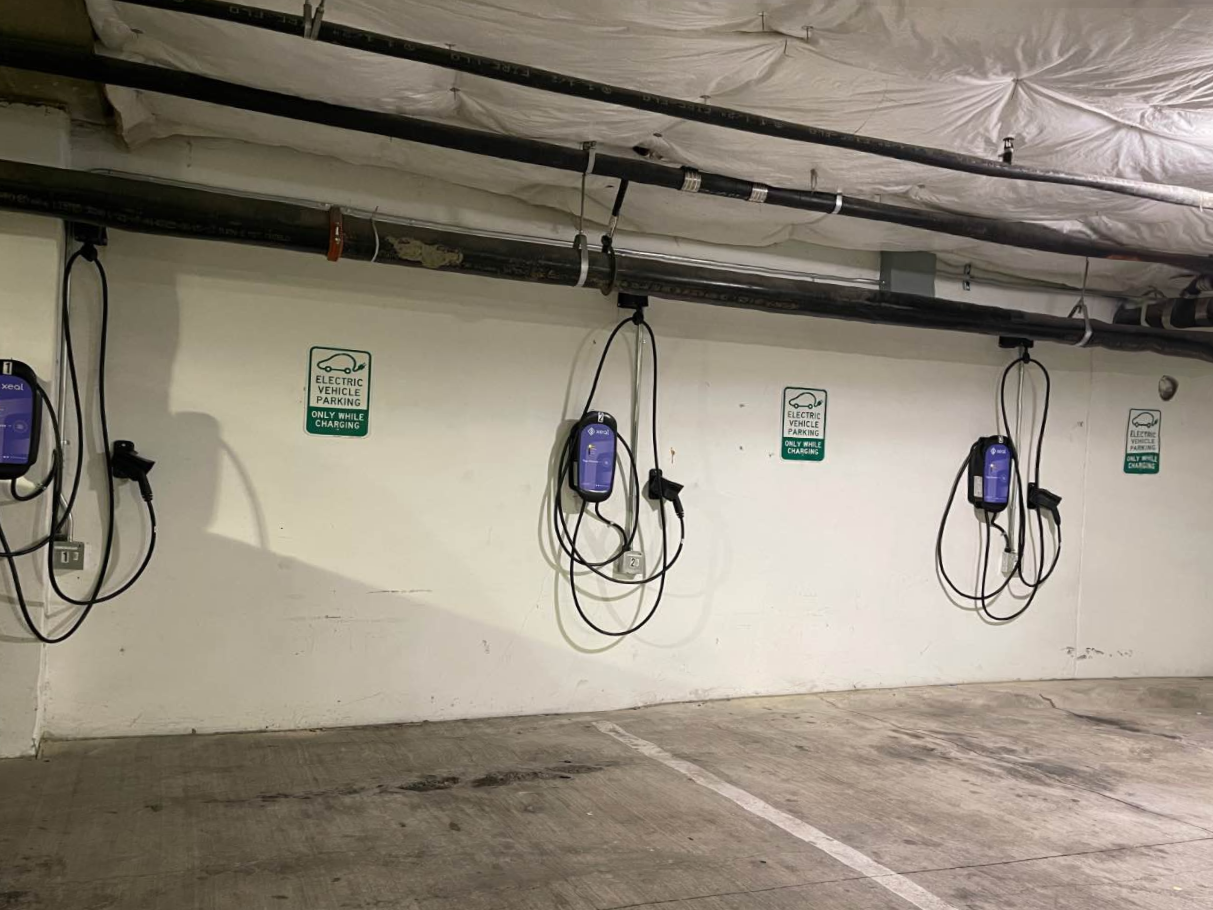
Corrosion is also a concern, especially in facilities with high humidity or exposure to chemicals. Corroded contacts increase resistance and can lead to intermittent power loss or equipment damage. Regular visual inspections of panels and switchgear can catch corrosion early. Keeping electrical rooms clean and dry helps prevent it.
When to Upgrade or Troubleshoot
As a business grows, its electrical needs often grow too. Adding new equipment, expanding office space, or upgrading to more powerful machinery can strain an existing system. If breakers trip frequently or if you have to use many extension cords and power strips, the system may be undersized. In such cases, a commercial electrical installation upgrade may be necessary. Upgrading can involve adding new panels, running larger feeder circuits, or replacing the main switchgear to increase capacity.
Troubleshooting power issues often starts with understanding the layout of the system. Knowing which panel feeds which area helps narrow down the problem. A voltage meter can be used to check for voltage drops under load. If a circuit that once worked fine now causes problems, it might be due to a loose connection, a failing breaker, or a change in the equipment connected to it. Some issues can be diagnosed by resetting breakers and observing the result. If the breaker trips again immediately, there is likely a short circuit or ground fault that requires professional attention.
Why Professional Installation Matters
Power distribution is not a do-it-yourself project. The safety risks are real, and mistakes can lead to fires, electrocution, or extensive damage. Every component, from the main switchgear to the smallest breaker, must be properly sized, installed, and connected according to code. Load calculations, wire sizing, and grounding are all critical to safe operation. A professional electrician understands these requirements and can design a system that meets both current needs and future growth.
For businesses in the San Jose, Santa Clara, and surrounding Bay Area cities, Wooding Electric provides commercial electrical installation, repair, troubleshooting, upgrades, and power distribution services. Their team has experience with a wide range of facilities and understands the importance of keeping power flowing reliably. Whether you need a new panel installed, an existing system upgraded, or help diagnosing a recurring problem, working with a qualified professional ensures the job is done safely and correctly.
Keeping Your System Healthy
Regular maintenance is the best way to avoid unexpected downtime. Simple steps like keeping electrical panels accessible and free of debris, checking for signs of overheating, and maintaining clear labeling can go a long way. Scheduling periodic inspections by a qualified electrician can catch small issues before they become big ones. A good inspection includes checking breaker connections, measuring load balance, verifying grounding, and looking for signs of corrosion or damage.
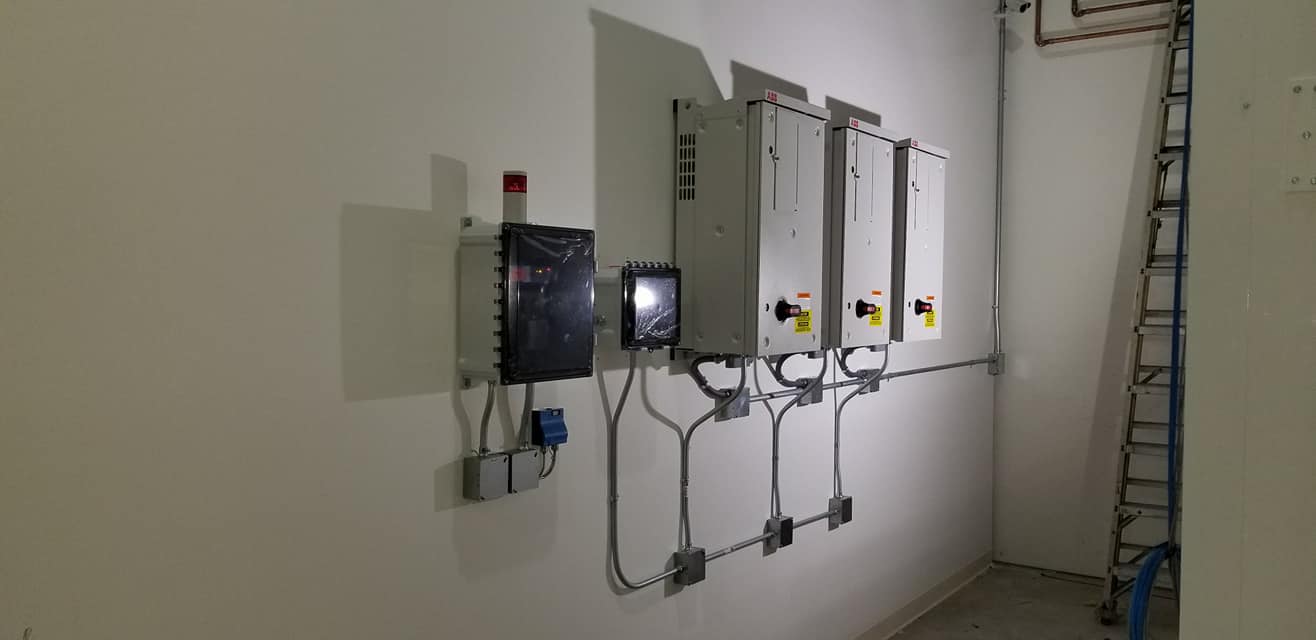
It is also wise to keep a record of the original design and any modifications made to the system. This documentation helps during troubleshooting and makes it easier to plan upgrades. As technology evolves, some businesses choose to install energy monitoring systems that track power usage in real time. These systems can help identify inefficiencies and predict when maintenance is needed. However, even without advanced monitoring, a basic awareness of how the system is performing can prevent most major problems.
Power distribution is the silent workhorse of any commercial facility. When it works well, you barely notice it. But when it fails, everything stops. Understanding the basics of how your commercial electrical installation operates gives you the knowledge to spot potential problems early and to communicate effectively with electricians when repairs or upgrades are needed. By staying proactive, you can keep your facility running smoothly and avoid the costly disruptions that come with unexpected power failures.
Wooding Electric is one of the local providers that businesses turn to for these services. Their focus on commercial clients means they understand the specific demands of retail spaces, offices, and industrial facilities. Whether you are planning a new build or dealing with an aging system, a professional evaluation is a smart first step. A well-maintained power distribution system is an investment in your business's continuity and safety.